Thousands of citizen scientists reveal widespread pollution in UK waterbodies
More than 8,500 people have taken part in our biggest ever Great UK WaterBlitz this autumn, revealing widespread nutrient pollution across the UK and detecting so-called ‘forever chemicals’ in 61% of water samples tested.
The findings from Earthwatch Europe’s Autumn 2026 Great UK WaterBlitz have been revealed, with exclusive coverage in The Times.
You can read the full report here>
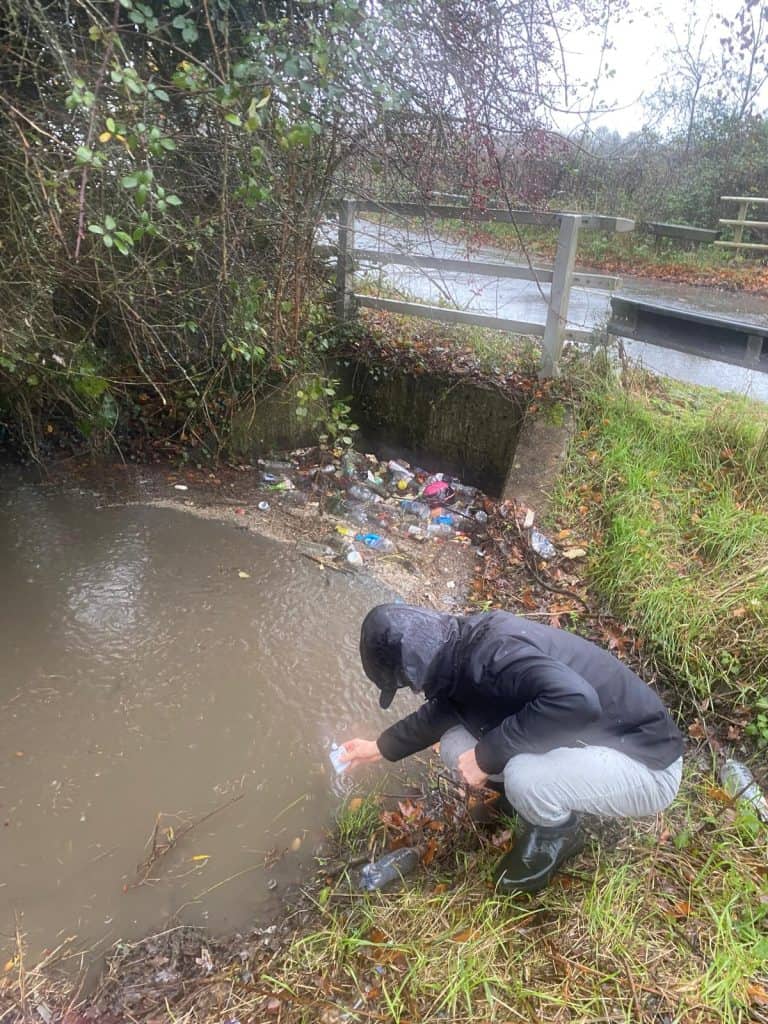
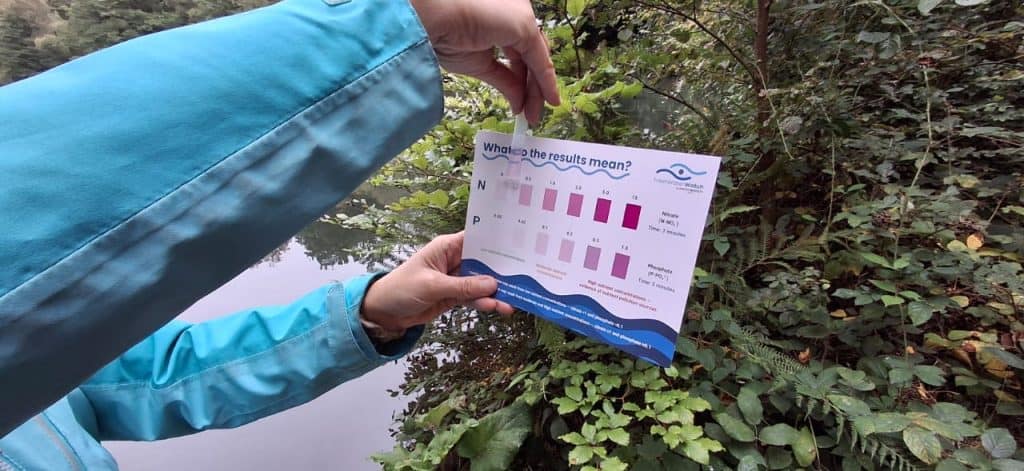
Between the 18th and 21st September, 8,507 citizen scientists, including 1,441 children, surveyed 4,456 freshwater sites across the UK, testing their local rivers, streams, lakes and ponds for nitrate and phosphate pollution.
The results show that nitrate pollution remains widespread, with 56% of sites across the UK recording concentrations above the acceptable threshold of 1.0 ppm. There are also notable differences across the UK: Wales recorded the highest proportion of sites with acceptable nitrate levels (94%), while England had the lowest, at just 51%.
There are, however, encouraging signs of progress. Nitrate concentrations appear to have improved across all four UK nations since June 2024, with England seeing an improvement of around 30%. More research is needed to understand what is driving these changes.
Forever chemicals detected in 61% of samples
For the first time, the WaterBlitz also included a nationwide citizen-led collection of water samples to investigate PFAS, persistent chemicals often known as ‘forever chemicals.’
Working with the Environmental Research Group at Imperial College London, citizen scientists collected 152 samples for laboratory analysis. Preliminary results revealed: at least one of four PFAS chemicals in 61% of samples tested: PFOA (the most frequently detected), PFOS, PFHxS and PFNA.
Although concentrations were generally very low, the widespread detection of these chemicals highlights the importance of understanding their presence and potential impacts on freshwater environments.
Citizen science making a difference
The Autumn 2026 WaterBlitz brought together thousands of people to help build a clearer picture of the health of our waterways. For many, it was their first experience of environmental volunteering, demonstrating the growing role that citizen science can play in monitoring and protecting nature.
The report highlights how quality-assured citizen science data, can combine with official monitoring, help to identify pollution hotspots, inform further investigation, and support efforts to improve the health of UK rivers.
Further information:
- Read the coverage in The Times: Read their exclusive coverage here
- Explore the findings: Read the full Autumn 2026 WaterBlitz report
- Visit earthwatch.org.uk/greatukwaterblitz to express your interest in the next Great UK WaterBlitz