A chance to reset: the environmental choices facing the new government.
Europe is already feeling the effects of a changing climate, with record-breaking heatwaves and devastating wildfires. As Andy Burnham’s new government begins to set its agenda, Earthwatch CEO Harry Barton looks at three areas where bold environmental leadership will matter most: energy, biodiversity and water, and why investing in nature is fundamental to the country’s future prosperity.
“With two record-breaking heatwaves before the end of June and over a quarter of a million people evacuated because of wildfires in France and Spain, the impacts of a changing climate in Europe could hardly be starker. Yet few governments are getting to grips with the grim reality we face, or showing the courage and conviction to take the bold steps needed. What decisions on the environment can we expect from Prime Minister Andy Burnham and his new ministerial team? It is, of course, too early to say and announcements to date have focused on the cost of living and other matters. But here are some areas we’ll be looking at carefully in the coming weeks and months.
1) Energy (the big one)
The PM’s appointment of Miatta Fahnbulleh as Secretary of State for Energy Security and Net Zero (following Ed Miliband’s promotion to Foreign Secretary) gives some cause for hope – Fahnbulleh has worked in the department before and is reputedly a strong supporter of Net Zero. But we wait to see whether she gives the green light to drilling in the North Sea oil fields at Jackdaw and Rosebank. These were approved in 2022 and 2023 but were then subject to successful legal challenges from green groups regarding their incompatibility with the UK’s climate commitments. In both cases, new Environmental Impact Assessments have since been submitted and the government will need to decide whether to grant fresh approval or refuse it.
“The best way to maximise our energy resilience is to stop relying on fossil fuels entirely.”
It seems highly unlikely that developing either of these will have a significant impact on energy prices. Neither is there a lot of evidence that these new fields will generate much employment – documents submitted by Jackdaw’s owners suggest that only 27 direct jobs will be created. The energy security argument is a stronger one in the face of conflicts in Ukraine and the Gulf region, but surely the best way to maximise our energy resilience is to stop relying on fossil fuels entirely? This is about setting direction.
Giving permission to developing these new oil and gas fields, or any additional ones, would be a big win for the fossil fuel industry and would send a strong signal that the UK is still expecting to be reliant on burning carbon for years to come. Rejecting them would mark a brave and principled stand against the past, in favour of renewables and the principles of Net Zero.
2) Biodiversity
Progress on wildlife policy has been bitterly disappointing for much of the last two decades, and at times we’ve been going backwards. The persistent undermining by recent governments of their own agency, Natural England, and the toothless delivery plan to achieve 30% of land and sea in recovery for nature by 2030, published earlier this month, are cases in point. Meanwhile, a pathetic 37% of our legally protected wildlife sites are in good condition, and on Dartmoor National Park, a mile from where I live, the figure is a truly shocking 16% and declining.
“Urban nature isn’t just about pretty trees and rare butterflies; it’s about human health, reducing inequality and ensuring a decent standard of living for everyone.”
Nature in our towns and cities, where 84% of UK residents live, is equally important. The evidence supporting the health benefits of engaging with nature is overwhelming. Yet access to green space in urban areas is extremely uneven. There’s no single way to assess how green a city is – according to the Nature Network, Edinburgh tops the charts for overall green area (50%), Exeter has the greenest centre, Sheffield the most trees (4.5 million), and Milton Keynes wins on air quality and access. By contrast, Glasgow has only 2% tree cover, one sixth of Exeter’s figure. Looking at a finer scale, it’s the poorer communities that generally have the least access to high-quality green space. And research by Friends of the Earth suggests that 40% of people from Black, Asian and minority ethnic (BAME) communities live in the most nature-deprived communities, compared to just 14% of white people.
Whenever I’ve attended one of Earthwatch’s urban tree-planting events, the joy on participants’ faces as they help create a Tiny Forest is palpable, especially among people who have never done anything like this before. Urban nature isn’t just about pretty trees and rare butterflies; it’s about human health, reducing inequality and ensuring a decent standard of living for everyone. Yes, we need new houses, but we need to build healthy, green communities, not grey soleless deserts.
3) Water
The state of our rivers is hardly news – scarcely a week goes by when we don’t hear about droughts and hosepipe bans, sewage spills or corporate misbehaviour. As well as being crucial for human survival, freshwater habitats are exceptionally nature-rich – they cover less than 1% of the Earth’s surface but host over 10% of its biodiversity. Yet only 15% of England’s rivers and waterways are in good condition, one of the worst figures for any European country.
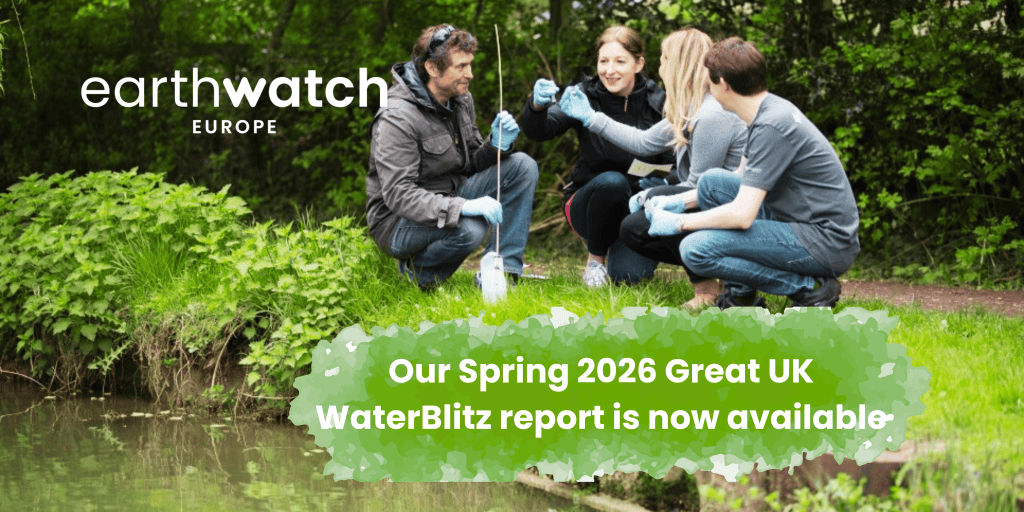
At Earthwatch’s most recent Great UK WaterBlitz in April, citizen scientists found that 61% of English waterways had unacceptable levels of pollution from nitrates and phosphates alone.The government is in the process of drawing up a Clean Water Act. It’s a big move in the right direction and is the most comprehensive overhaul since the industry was privatised in the 1980s. Yet it doesn’t go anywhere near far enough. There need to be much stronger duties on water companies and the proposed new regulator to protect the environment and public health, and a significant uplift in funding so that the regulator can do its job properly.
“Nature isn’t a barrier to economic growth – the evidence shows it’s one of its greatest assets.”
It also needs to acknowledge the crucial role played by citizen science in monitoring the condition of our rivers and waterways. The data we gather through our WaterBlitzes is far more comprehensive than that collected by government agencies, yet it is still not properly considered when building the evidence base for official decision-making.
The Prime Minister, like his predecessor, has set great store by his commitment to grow the economy and tackle the cost-of-living crisis. I don’t know which way he’ll swing on any of these issues, but here are some statistics I hope he pays heed to. According to an EFTEC report commissioned by the RSPB last year, nature is worth £1.625 trillion and supports 690,000 green jobs across the UK.
Continued nature depletion could reduce our GDP by 12% over the next decade, according to research led by the Green Finance Institute. Conversely, investing in nature could generate £81 billion of economic output, support 80,000 long-term skilled and productive jobs, and deliver a raft of other benefits, including improvements to public health.
“With a new Prime Minister, we have an opportunity for a reset.”
For far too long, many politicians, and some in the media, have talked about environmental protection and action on climate change as costs to society and barriers to economic growth. The overwhelming body of evidence suggests exactly the opposite. With a new Prime Minister, we have an opportunity for a reset. Let’s hope he has the courage and foresight to look at the science, ignore the siren calls of vested interests, and take the right decisions for the future of all of us.”
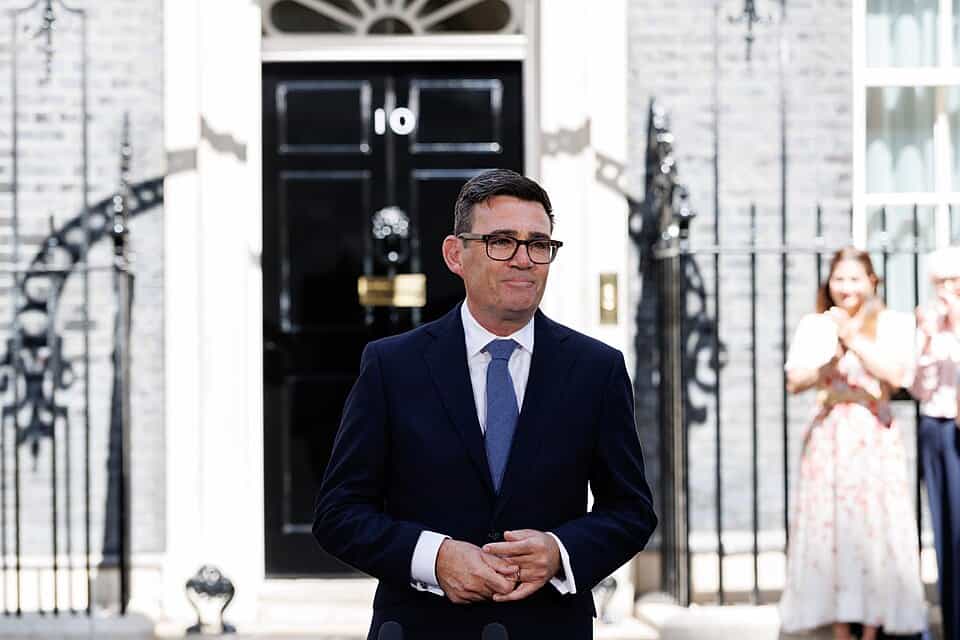
(Photo: Simon Dawson / No. 10 Downing Street. Crown copyright. Licensed under the UK Open Government Licence v3.0)